Cloud Computing Evolution and Edge AI: Revolutionizing the Tech Landscape
Xeloria Editorial Unit
STRATEGIC ASSET MANAGEMENT
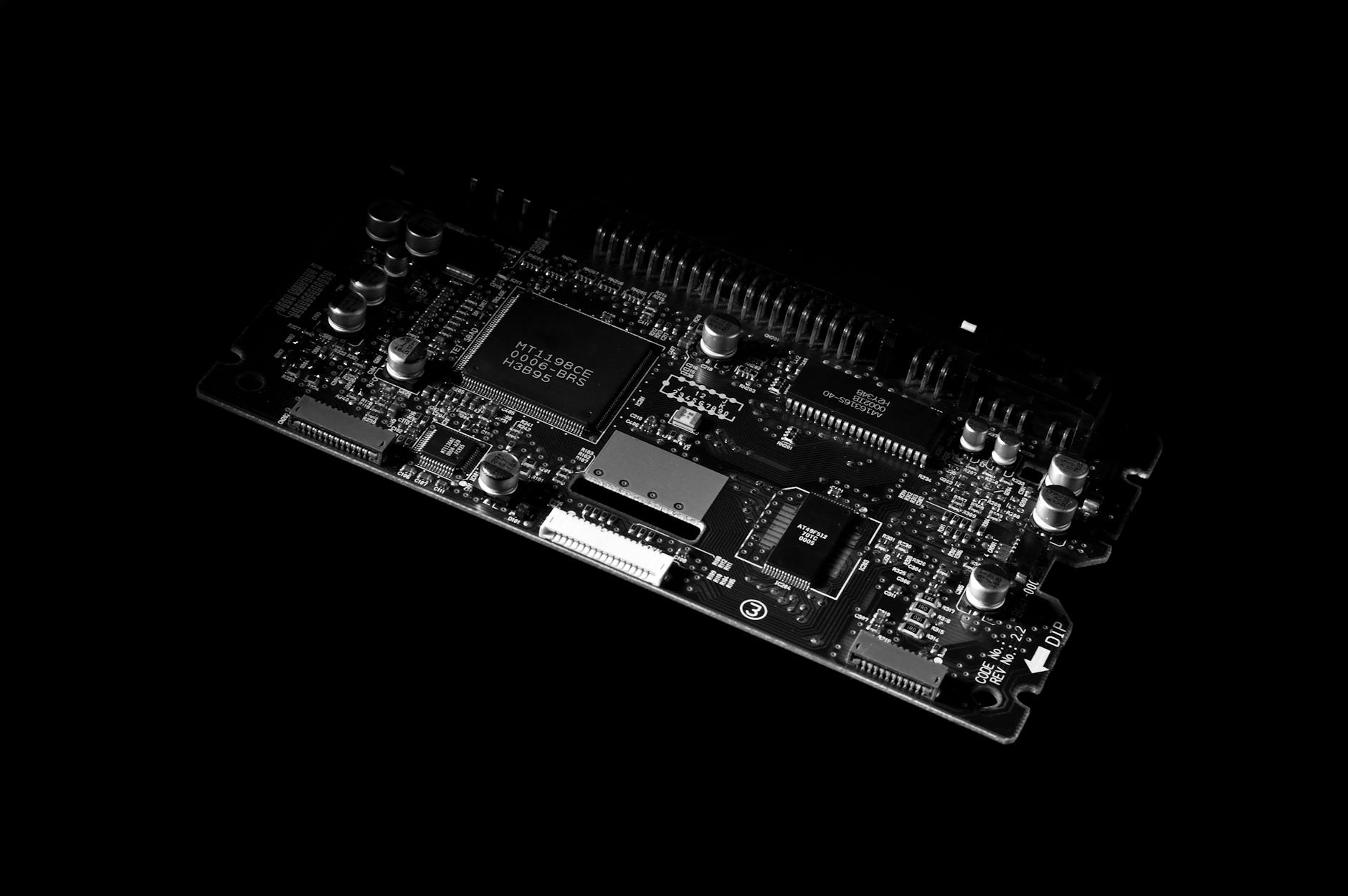
Introduction to Cloud Computing and Edge AI
Cloud computing has revolutionized the way businesses operate, providing scalable, on-demand access to computing resources and services over the internet. Over the years, cloud computing has evolved significantly, with various models emerging, including Infrastructure as a Service (IaaS), Platform as a Service (PaaS), and Software as a Service (SaaS). However, with the increasing demand for real-time data processing and analysis, a new paradigm has emerged: Edge AI. In this blog post, we will explore the evolution of cloud computing and the rise of Edge AI, and how they are transforming the tech landscape.
Evolution of Cloud Computing
Cloud computing has come a long way since its inception. The early days of cloud computing were marked by skepticism and uncertainty, with many questioning the security and reliability of cloud-based services. However, as the technology improved and more businesses began to adopt cloud computing, the benefits became clear. Cloud computing provided businesses with increased flexibility, scalability, and cost savings, making it an attractive option for companies of all sizes.
- Increased Agility: Cloud computing enables businesses to quickly deploy and scale applications, allowing them to respond rapidly to changing market conditions.
- Reduced Costs: Cloud computing eliminates the need for upfront capital expenditures, reducing the total cost of ownership and allowing businesses to allocate resources more efficiently.
- Improved Collaboration: Cloud computing enables teams to collaborate more effectively, regardless of location, by providing a centralized platform for data sharing and communication.
Rise of Edge AI
Edge AI refers to the deployment of artificial intelligence (AI) and machine learning (ML) models at the edge of the network, closer to the source of the data. This approach enables real-time data processing and analysis, reducing latency and improving decision-making. Edge AI has numerous applications, including industrial automation, smart cities, and healthcare.
Edge AI is driven by the need for faster and more efficient data processing. As the amount of data generated by devices and sensors continues to grow, the need for real-time processing and analysis becomes increasingly important. Edge AI enables businesses to process data in real-time, reducing the latency associated with cloud-based processing and improving overall system performance.
Benefits of Edge AI
- Real-Time Processing: Edge AI enables real-time data processing and analysis, reducing latency and improving decision-making.
- Improved Security: Edge AI reduces the amount of data that needs to be transmitted to the cloud, improving security and reducing the risk of data breaches.
- Increased Efficiency: Edge AI enables businesses to process data more efficiently, reducing the need for cloud-based processing and improving overall system performance.
Cloud Computing and Edge AI: A Powerful Combination
Cloud computing and Edge AI are not mutually exclusive; in fact, they complement each other perfectly. Cloud computing provides a scalable and flexible infrastructure for data processing and storage, while Edge AI enables real-time data processing and analysis. By combining cloud computing and Edge AI, businesses can create a powerful hybrid architecture that leverages the benefits of both technologies.
This hybrid approach enables businesses to process data in real-time at the edge, while also leveraging the scalability and flexibility of cloud computing for more complex data processing and analysis. This approach is particularly useful for applications that require both real-time processing and complex data analysis, such as industrial automation and smart cities.
Use Cases for Cloud Computing and Edge AI
There are numerous use cases for cloud computing and Edge AI, including:
- Industrial Automation: Cloud computing and Edge AI can be used to optimize industrial processes, predict maintenance needs, and improve overall system performance.
- Smart Cities: Cloud computing and Edge AI can be used to optimize traffic flow, predict energy demand, and improve public safety.
- Healthcare: Cloud computing and Edge AI can be used to analyze medical images, predict patient outcomes, and improve overall patient care.
Conclusion
In conclusion, cloud computing and Edge AI are revolutionizing the tech landscape, providing businesses with new opportunities for growth and innovation. By combining the scalability and flexibility of cloud computing with the real-time processing capabilities of Edge AI, businesses can create powerful hybrid architectures that leverage the benefits of both technologies. As the amount of data generated by devices and sensors continues to grow, the need for real-time processing and analysis will become increasingly important, making cloud computing and Edge AI essential technologies for businesses of all sizes.