Revolutionizing the Future of Work: The Impact of AI in the Modern Workforce
Xeloria Editorial Unit
STRATEGIC ASSET MANAGEMENT
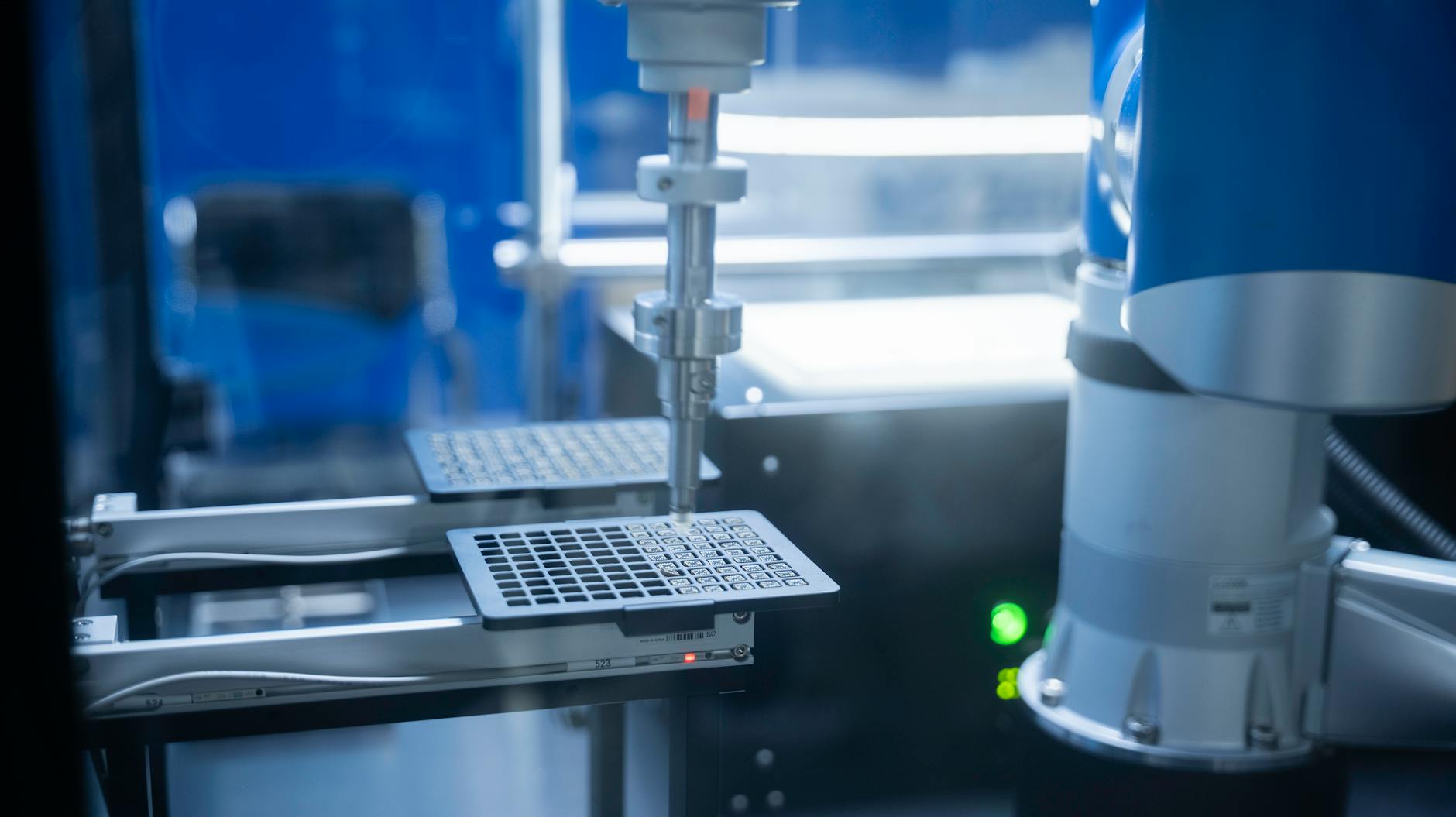
Introduction to AI in the Workplace
The modern workforce is undergoing a significant transformation, driven by the increasing integration of Artificial Intelligence (AI) into various industries. AI, which refers to the development of computer systems that can perform tasks that would typically require human intelligence, such as learning, problem-solving, and decision-making, is revolutionizing the way companies operate and interact with their employees and customers.
From automating routine administrative tasks to enhancing customer service experiences, AI is being used in diverse ways to improve efficiency, productivity, and innovation. In this blog post, we will explore the current state of AI in the modern workforce, its applications, benefits, and challenges, as well as the future implications of AI on the job market and society as a whole.
Applications of AI in the Workplace
AI is being applied in numerous areas of the modern workforce, including but not limited to:
- Automation of Repetitive Tasks: AI-powered systems can automate routine and repetitive tasks, freeing up human workers to focus on higher-value tasks that require creativity, empathy, and problem-solving skills.
- Enhanced Customer Service: Chatbots and virtual assistants are being used to provide 24/7 customer support, helping to resolve queries and improve customer satisfaction.
- Data Analysis and Insights: AI-driven analytics tools can process large volumes of data, providing valuable insights that can inform business decisions and drive growth.
- Talent Acquisition and Management: AI is being used in recruitment to screen resumes, conduct initial interviews, and predict candidate success, as well as in employee engagement and retention strategies.
These applications demonstrate how AI can augment human capabilities, leading to improved productivity, efficiency, and competitiveness in the modern workforce.
Benefits of AI Integration
The integration of AI into the modern workforce offers several benefits, including:
- Increased Efficiency: AI automates tasks, reducing the time and resources required to complete them, and allowing businesses to operate more efficiently.
- Improved Accuracy: AI systems can perform tasks with a high degree of accuracy, reducing the likelihood of human error and improving overall quality.
- Enhanced Decision-Making: AI provides data-driven insights, enabling businesses to make informed decisions and drive growth.
- Competitive Advantage: Companies that adopt AI early can gain a competitive advantage over their peers, leading to increased market share and revenue.
However, the integration of AI also presents challenges that need to be addressed to ensure its successful adoption and to mitigate any negative impacts.
Challenges and Concerns
Despite the many benefits of AI, there are also challenges and concerns that need to be considered, including:
- Job Displacement: The automation of tasks could lead to job displacement, particularly for roles that involve repetitive or routine tasks.
- Skills Gap: The increasing use of AI requires workers to have new skills, such as data analysis and interpretation, which can create a skills gap if not addressed through training and education.
- Bias and Ethics: AI systems can perpetuate biases if they are trained on biased data, leading to unfair outcomes and ethical concerns.
- Security and Privacy: AI systems can be vulnerable to cyber attacks, compromising sensitive data and putting privacy at risk.
Addressing these challenges will be crucial to ensuring that the benefits of AI are realized while minimizing its negative impacts.
Future Implications of AI
The future implications of AI on the modern workforce are significant and far-reaching. As AI continues to evolve and improve, we can expect to see even more innovative applications and greater integration into various industries.
However, it is also important to consider the potential long-term effects of AI on employment, society, and the economy. This includes the need for a universal basic income, retraining and upskilling programs, and a focus on developing skills that are complementary to AI, such as creativity, empathy, and critical thinking.
Ultimately, the successful integration of AI into the modern workforce will require a collaborative effort from governments, businesses, educators, and individuals to ensure that its benefits are equitably distributed and its challenges are effectively addressed.
Conclusion
In conclusion, AI is transforming the modern workforce in profound ways, from automating routine tasks to enhancing customer service experiences. While there are challenges and concerns that need to be addressed, the benefits of AI integration are undeniable, and its potential to drive growth, innovation, and productivity is vast.
As we move forward, it is essential to prioritize responsible AI development and deployment, focusing on transparency, accountability, and the well-being of workers and society as a whole. By doing so, we can harness the power of AI to create a brighter, more prosperous future for all.