Revolutionizing the Modern Workforce: The Impact of Artificial Intelligence
Xeloria Editorial Unit
STRATEGIC ASSET MANAGEMENT
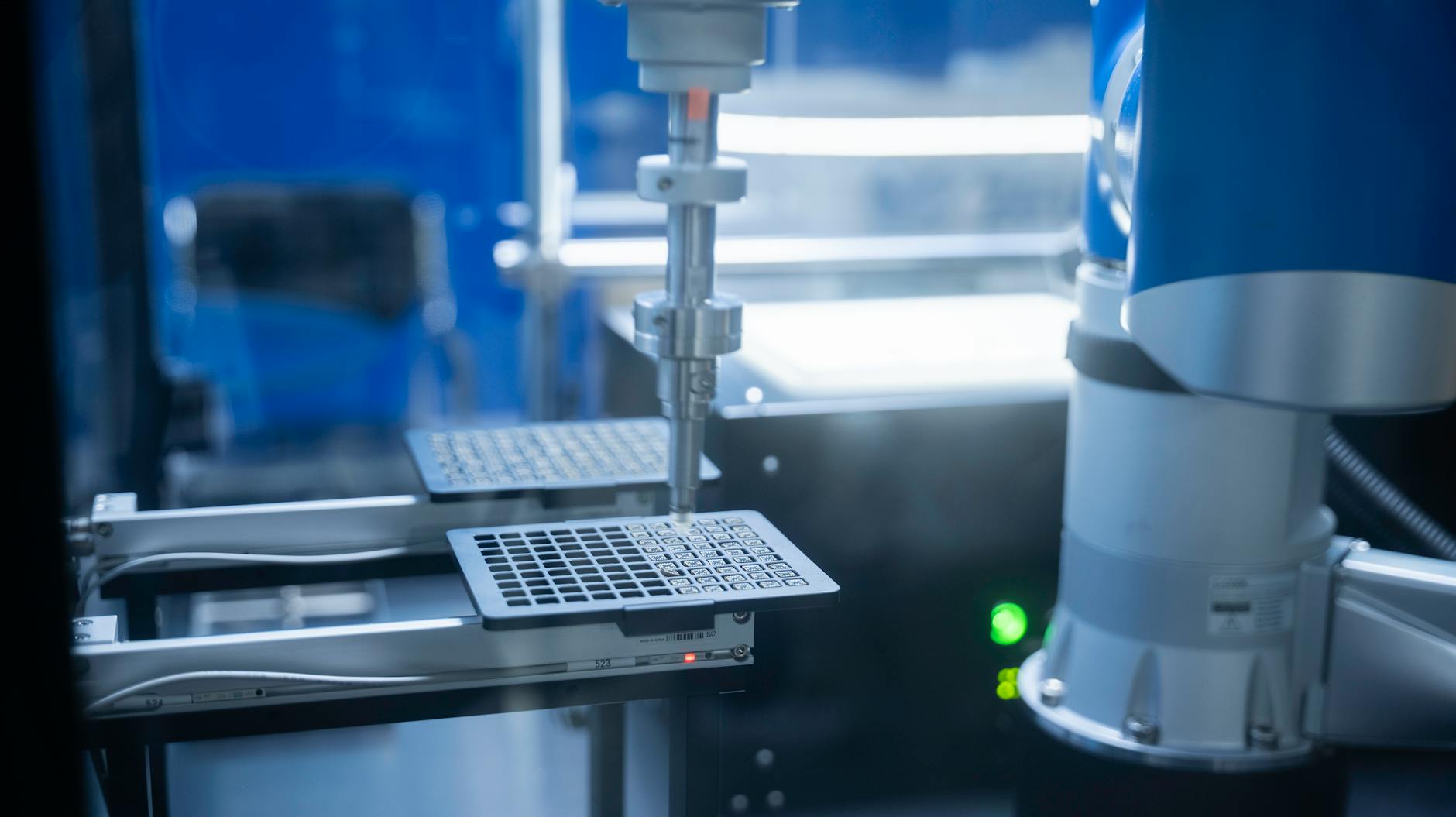
Introduction to AI in the Workplace
The integration of Artificial Intelligence (AI) into the modern workforce has been a subject of interest and debate in recent years. As technology continues to advance at an unprecedented rate, businesses and organizations are leveraging AI to streamline processes, enhance productivity, and drive innovation. In this blog post, we will delve into the world of AI, exploring its applications, benefits, and challenges in the modern workforce.
What is Artificial Intelligence?
Artificial Intelligence refers to the development of computer systems that can perform tasks that typically require human intelligence, such as learning, problem-solving, and decision-making. AI systems use algorithms and data to make predictions, classify objects, and generate insights, often surpassing human capabilities in terms of speed and accuracy.
Applications of AI in the Modern Workforce
AI is being applied in various industries and domains, transforming the way we work and interact with technology. Some of the most significant applications of AI include:
- Automation of Repetitive Tasks: AI-powered tools can automate routine tasks, freeing up human resources for more strategic and creative work.
- Virtual Assistants: AI-driven virtual assistants, such as chatbots and voice assistants, are being used to provide customer support, answer queries, and facilitate communication.
- Predictive Analytics: AI algorithms can analyze vast amounts of data to predict trends, identify patterns, and make informed decisions.
- Personalized Learning and Development: AI-powered learning platforms can offer personalized training and development programs, tailored to individual needs and preferences.
Benefits of AI in the Modern Workforce
The integration of AI into the modern workforce offers numerous benefits, including:
- Increased Efficiency: AI can automate routine tasks, reducing the workload and enhancing productivity.
- Improved Accuracy: AI systems can perform tasks with greater accuracy and precision, minimizing errors and mistakes.
- Enhanced Decision-Making: AI algorithms can analyze vast amounts of data, providing insights and recommendations that can inform decision-making.
- Personalized Customer Experience: AI-powered chatbots and virtual assistants can provide personalized support and service, enhancing the customer experience.
Challenges and Concerns
While AI offers numerous benefits, there are also challenges and concerns that need to be addressed. Some of the most significant challenges include:
- Job Displacement: The automation of routine tasks can lead to job displacement, particularly for workers in industries that are heavily reliant on manual labor.
- Bias and Discrimination: AI systems can perpetuate bias and discrimination if they are trained on biased data or designed with a particular worldview.
- Cybersecurity Risks: AI systems can be vulnerable to cybersecurity risks, particularly if they are not designed with security in mind.
- Transparency and Accountability: AI systems can be opaque, making it difficult to understand how decisions are being made and who is accountable for those decisions.
Future of AI in the Modern Workforce
As AI continues to evolve and advance, we can expect to see significant changes in the modern workforce. Some of the most exciting developments on the horizon include:
- Augmented Intelligence: The development of AI systems that can augment human intelligence, rather than replacing it.
- Explainable AI: The development of AI systems that can provide transparent and explainable decisions, reducing the risk of bias and discrimination.
- Human-AI Collaboration: The development of AI systems that can collaborate with humans, enhancing productivity and innovation.
In conclusion, AI is revolutionizing the modern workforce, offering numerous benefits and opportunities for growth and innovation. However, it also presents challenges and concerns that need to be addressed. As we move forward, it is essential to prioritize transparency, accountability, and human-AI collaboration, ensuring that AI is developed and deployed in a way that benefits both businesses and society as a whole.