Revolutionizing the Modern Workforce: The Impact of Artificial Intelligence
Xeloria Editorial Unit
STRATEGIC ASSET MANAGEMENT
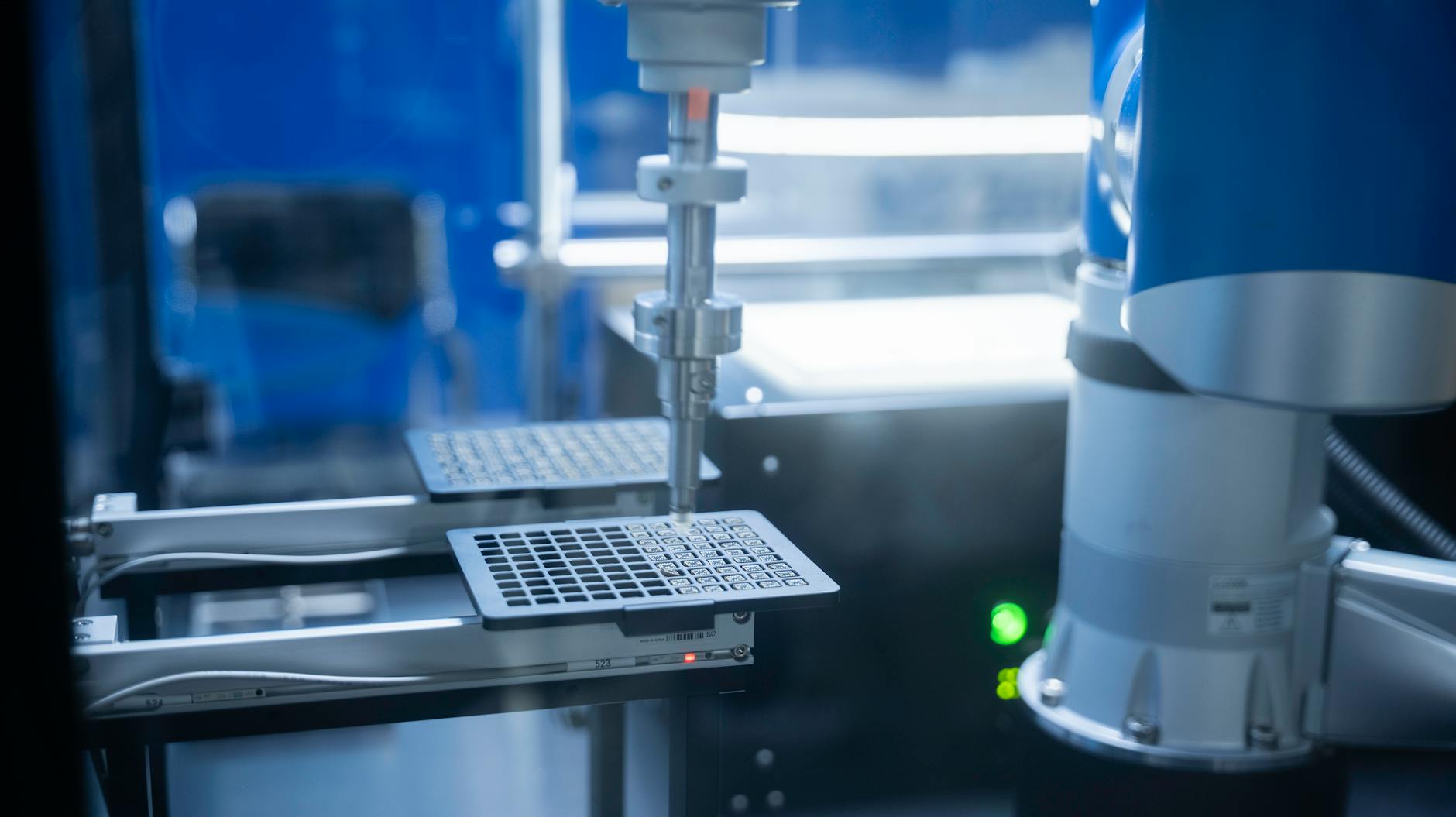
Introduction to AI in the Modern Workforce
The modern workforce is undergoing a significant transformation, driven by the integration of Artificial Intelligence (AI) into various sectors. AI, which refers to the development of computer systems that can perform tasks that typically require human intelligence, such as learning, problem-solving, and decision-making, is revolutionizing the way we work. From automating routine tasks to enhancing productivity and efficiency, AI is changing the face of the modern workforce.
Benefits of AI in the Workplace
The incorporation of AI into the modern workforce offers numerous benefits, including increased efficiency, improved accuracy, and enhanced customer experience. By automating repetitive and mundane tasks, AI enables employees to focus on more complex and creative tasks, leading to increased productivity and job satisfaction. Additionally, AI-powered systems can analyze vast amounts of data, providing valuable insights that inform business decisions and drive growth.
- Improved Efficiency: AI automates routine tasks, freeing up employees to focus on high-value tasks.
- Enhanced Accuracy: AI-powered systems reduce errors, improving the overall quality of work.
- Personalized Customer Experience: AI-driven chatbots and virtual assistants provide 24/7 customer support, enhancing the customer experience.
AI Applications in the Modern Workforce
AI has a wide range of applications in the modern workforce, from virtual assistants to predictive analytics. Some of the most significant AI applications include:
- Virtual Assistants: AI-powered virtual assistants, such as Amazon's Alexa and Google Assistant, are being used to manage schedules, send reminders, and perform tasks.
- Predictive Analytics: AI-driven predictive analytics tools are being used to forecast sales, predict customer behavior, and identify trends.
- Chatbots: AI-powered chatbots are being used to provide customer support, answer frequently asked questions, and help with transactions.
Challenges and Limitations of AI in the Workplace
While AI offers numerous benefits, it also poses several challenges and limitations. One of the most significant challenges is the potential for job displacement, as AI-powered systems automate tasks that were previously performed by humans. Additionally, AI systems can be biased, leading to discriminatory outcomes. Furthermore, the lack of transparency and explainability of AI decision-making processes can make it difficult to trust AI-driven systems.
To overcome these challenges, it is essential to develop AI systems that are transparent, explainable, and fair. This can be achieved by implementing robust testing and validation procedures, ensuring that AI systems are free from bias, and providing employees with the necessary training and skills to work effectively with AI.
Future of AI in the Modern Workforce
The future of AI in the modern workforce is exciting and promising. As AI technology continues to evolve, we can expect to see even more innovative applications of AI in the workplace. Some of the most significant trends that are expected to shape the future of AI in the workplace include:
- Increased Adoption of AI: As AI technology becomes more accessible and affordable, we can expect to see increased adoption of AI in the workplace.
- Greater Emphasis on Ethics and Transparency: As AI becomes more pervasive, there will be a greater emphasis on ensuring that AI systems are transparent, explainable, and fair.
- Development of New Skills and Jobs: The integration of AI into the workplace will require employees to develop new skills and adapt to new job roles.
In conclusion, AI is revolutionizing the modern workforce, offering numerous benefits, including increased efficiency, improved accuracy, and enhanced customer experience. While there are challenges and limitations associated with AI, these can be overcome by developing AI systems that are transparent, explainable, and fair. As AI technology continues to evolve, we can expect to see even more innovative applications of AI in the workplace, leading to increased productivity, growth, and innovation.